

Why Burj Khalifa Was Built? [Real Reasons Explained]
It was built to diversify Dubai’s economy, br the city, lead tourism investment.
Curious about why Burj Khalifa was built? You’re in the right place. I have studied the project’s strategy, design, impact for years. In this guide, I explain why Burj Khalifa was built, how it fits Dubai’s long-term vision, what it means for cities that seek growth through lmark architecture.
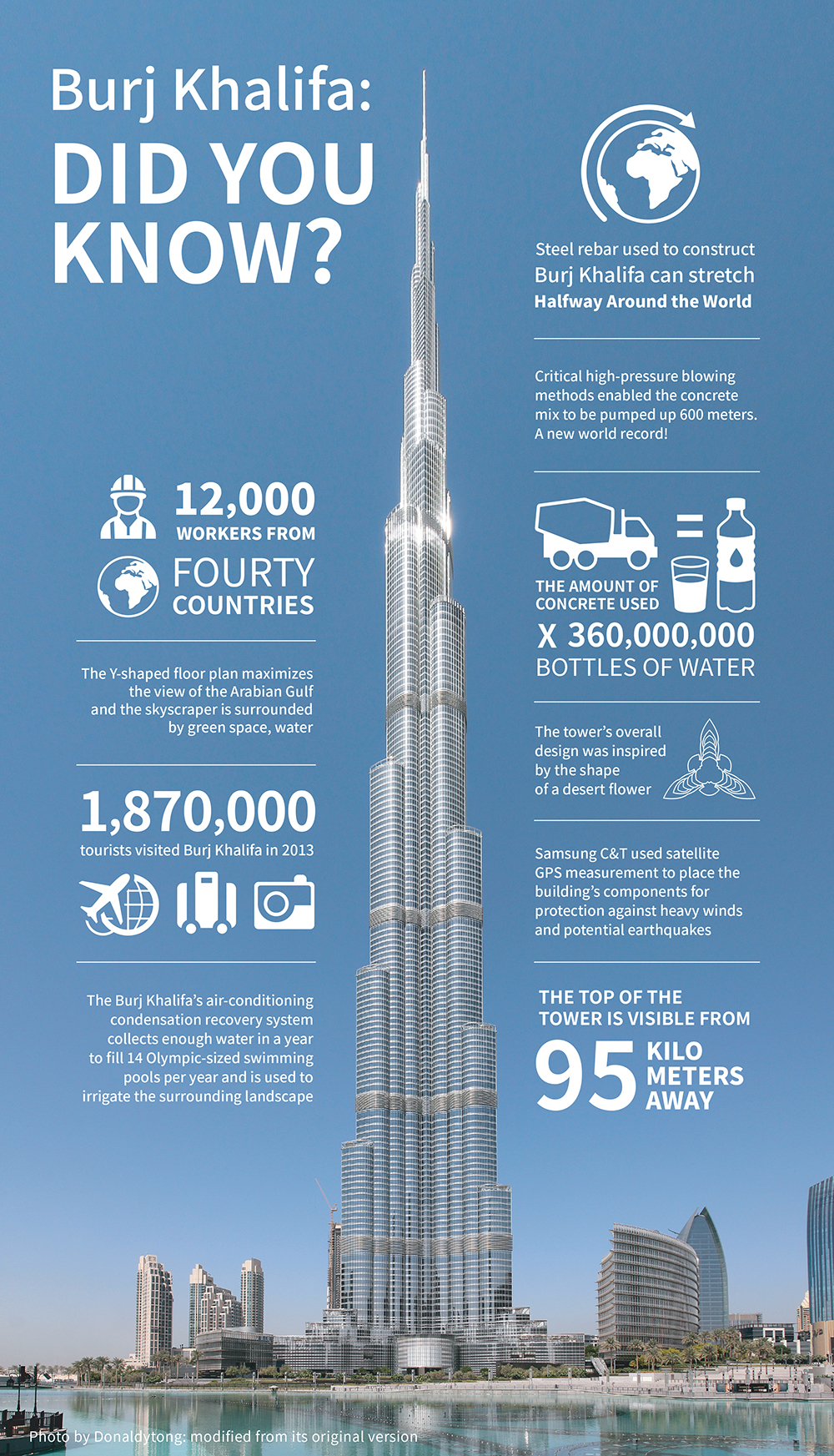
The strategic vision behind building the Burj Khalifa
Dubai set out to shift from oil to a service knowledge economy. The city needed a global icon to speed that shift. That is why Burj Khalifa was built as the anchor of a new urban core called Downtown Dubai.
The tower was a clear signal of intent. It said Dubai could lead in finance, travel, real estate, luxury. It also gave the city a daily stream of media attention a strong place br.
From my work with mixed-use developments in the Gulf, I saw how a single lmark can lift an entire district. Burj Khalifa drew footfall, raised l values, helped lease space nearby. That network effect explains why Burj Khalifa was built as more than a record-breaker; it was a growth engine.

Economic drivers: tourism, real estate, diversification
At its core, the project was a business move. The tower helped sell homes, offices, hotel rooms at premium rates. It anchored The Dubai Mall, the Dubai Fountain, a 500-acre master plan. That mix drove jobs non-oil GDP.
Key economic reasons why Burj Khalifa was built:
- Tourism magnet Visitors come for the world’s tallest building stay for shopping, dining, shows.
- Real estate uplift Icon status supports higher prices faster sales for the whole district.
- Investor confidence A bold skyline project can signal stability ambition to global capital.
- Events media The tower creates reasons to visit year-round, from New Year’s Eve shows to art design weeks.
During site research, I watched how the fountain shows pull crowds from late afternoon to night. Restaurants fill up. Stores stay busy. This is one simple, real-world proof of why Burj Khalifa was built where it is.
Did the tower pay for itself?
Estimates put the tower’s direct cost around the low billions of dollars, while the wider district generated far more in sales leases. Value came from the whole ecosystem, not only from tickets or office rents.
Why place it in Downtown Dubai?
The site has transit access, highway links, room for a full lifestyle district. That broad base reduces risk increases daily use.

Symbolism soft power: a global statement
Another reason why Burj Khalifa was built was to mark Dubai as a world city. A record height draws free global press, like a megaphone you never turn off. It also creates a shared image for residents visitors.
Soft power gains included:
- A clear identity A single image that defines the skyline.
- Global attention News, films, social media content year after year.
- Business prestige Firms enjoy the signal of quality reach when they set up nearby.
I often compare it to a lighthouse. Ships spot the beam from far away. In the same way, the tower carries Dubai’s signal across the world.

Engineering ambition: pushing the limits of design materials
A major motive for why Burj Khalifa was built was to test the edge of structural construction science. The design team used a buttressed core system high-strength concrete to reach over 160 floors 828 meters. Aerodynamic setbacks cut wind forces sway.
Engineering highlights:
- Structural logic The Y-shaped plan gives stiffness usable floor plates.
- High-performance materials Concrete mixes were tuned for hot weather pump height.
- Vertical systems Fast double-deck elevators careful zoning improve flow safety.
Teams measured wind in labs on site. They tuned the shape many times. As one engineer told me, tall towers are “a set of small wins stacked very high.” That spirit sums up why Burj Khalifa was built as an engineering lmark.
Urban planning sustainability goals
The project also had city-making aims. It set a dense, mixed-use center near a metro stop major roads. That cut car trips for people who live, shop, or work in the area.
Sustainability measures included:
- District cooling Efficient chilled-water systems serve the complex.
- Water reuse Air-conditioning condensate waters lscape areas.
- Shading setbacks The form reduces heat gain on some faces.
These steps help, though a super-tall in a hot climate still uses a lot of energy. That balance is part of the honest story of why Burj Khalifa was built: to show what is possible, then keep improving.
Cultural social impact on Dubai the region
Beyond business, why Burj Khalifa was built also ties to identity. It gave residents a shared point of pride. It turned Downtown into a public stage with promenades, art, shows. It set a new bar for service design.
I remember walking the boulevard at sunset seeing families, runners, tourists move in one flow. The tower was a backdrop to daily life. That mix of civic space spectacle is rare, it works.
Risks, costs, criticisms
A fair look at why Burj Khalifa was built must include the downsides. The 2008–2009 crisis hit real estate hard. Luxury supply outpaced dem for a time. Maintenance operations are complex costly in a harsh climate.
Concerns also arose around worker welfare in the wider industry. Oversight improved over time, but it remains an area where transparency matters. Large icons can mask real issues if leaders do not keep raising stards.
The key lesson is fit. Icons work best when they sit in a strong plan, have diverse revenue, keep public trust.
Lessons learned practical takeaways
City leaders often ask me if they should “build their own Burj.” Here is what I share.
What to copy from why Burj Khalifa was built:
- Build the district, not just the tower Pair the lmark with retail, parks, transit, homes.
- Tie it to a clear economic plan Make the tower a tool for jobs, tourism, investors.
- Design for daily life Give people reasons to return every week, not only once.
What to avoid:
- Chasing height for height’s sake Set clear returns social goals first.
- Ignoring resilience Plan for downturns with phased delivery diverse uses.
- Overlooking people Keep worker welfare, access, shade at the center.
If you run a city project, map the whole value chain. Price the halo effects. Pilot public programs on site early. These steps keep the spirit of why Burj Khalifa was built while fitting local needs.
Frequently Asked Questions of why burj khalifa was built
Why was the Burj Khalifa built in the first place?
It was built to diversify Dubai’s economy, grow tourism, anchor a new urban center. The tower also served as a global br signal.
Who decided to build the Burj Khalifa?
The project was led by the developer Emaar with strong support from Dubai’s leadership. The aim was part of a long-term city strategy.
How did the 2008 crisis affect the project?
Sales slowed, the market faced stress. The broader Downtown plan helped the project recover as travel retail rebounded.
Is the Burj Khalifa profitable?
The tower itself earns from tickets, leases, bring. The real value comes from the entire Downtown ecosystem around it.
Why is it called Burj Khalifa?
It was renamed from Burj Dubai at opening to honor support from the UAE leadership during the financial crisis. The name reflects national unity.
What makes its design special?
A buttressed core tiered setbacks reduce wind loads increase stability. This shape also creates many corner views.
Did sustainability matter in the design?
Yes. The district uses efficient cooling water reuse. Still, a super-tall in a hot climate has high energy needs, which are managed through systems operations.
Conclusion
Why Burj Khalifa was built can be summed up in three points: diversify the economy, build a global br, create a strong urban core. It worked because the tower sat inside a full plan with retail, culture, transit, homes.
If you shape cities or large projects, start with purpose, not records. Build the ecosystem, test real dem, design for daily life. Want more deep dives like this? Subscribe, share your thoughts, or ask a question in the comments so we can explore the next big idea together.


