

Why Is The Eiffel Tower Important? [History, Symbol & Impact]
The Eiffel Tower matters as a global icon, engineering lmark, cultural beacon.
Many people search for why is the eiffel tower important, but few see the full picture. I have studied the site, walked its iron stairs, spoke with guides engineers. This article explains why is the eiffel tower important for history, science, culture, the economy so you can see beyond the postcard underst the living system behind it.

A Brief History Why It Was Built
The Eiffel Tower rose for the 1889 Exposition Universelle, a world’s fair marking the French Revolution’s centennial. Gustave Eiffel’s company led the project, with key work by Maurice Koechlin, Émile Nouguier, architect Stephen Sauvestre. At 300 meters then, it was the tallest structure on Earth a statement of industrial skill.
At first, many Parisians disliked it. Some called it a metal skeleton. Yet function saved it. The tower proved useful for wireless telegraphy later radio, so it stayed when its original permit neared expiry. It now anchors the Banks of the Seine UNESCO World Heritage lscape.
People still ask why is the eiffel tower important today. Its origin story shows how bold design, science, public use can turn controversy into pride. It is a record of modernity written in iron.
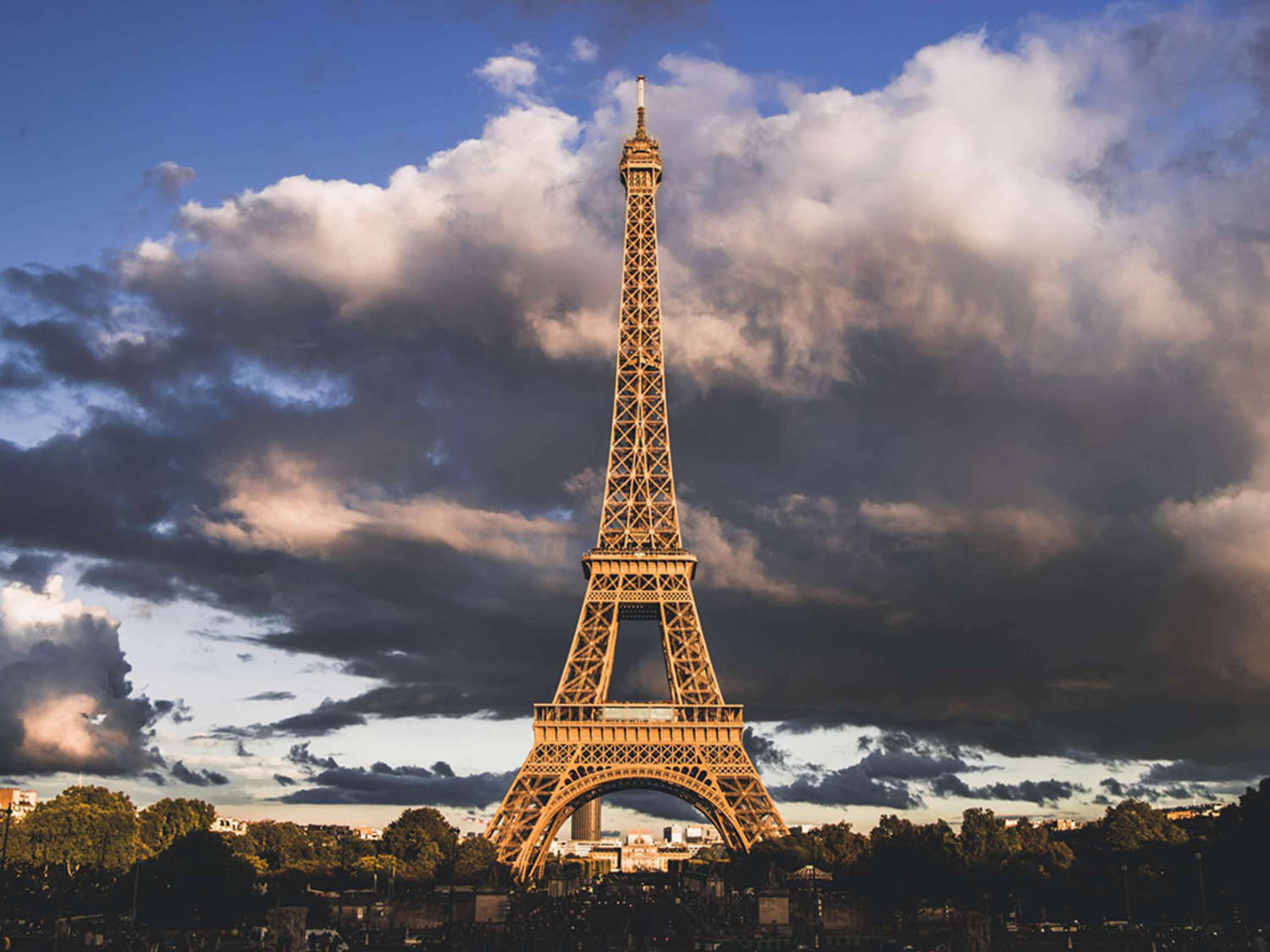
Engineering Marvel Scientific Testbed
The tower is not just tall. It is smart. Its form answers wind with curves that thin toward the top. Engineers used about 18,000 pieces of puddled iron around 2.5 million rivets. Thermal expansion can shift the top by centimeters as seasons change. The lattice makes it light yet strong.
From the start, the tower hosted tests in aerodynamics communications. Eiffel himself built wind tunnels nearby to study drag. The structure became a major radio mast. It supported early wireless networks, then FM TV, now digital systems. During World War I, signals from the tower helped France monitor enemy traffic.
When people ask why is the eiffel tower important for science, the answer is clear. It is a working lab antenna as well as a lookout. It connects theory to the sky.
Practical example:
- On windy days, the gentle sway is normal. The motion protects the structure by releasing stress.
- Elevators move on curved tracks to fit the tower’s profile. That design lesson still guides tall building mobility today.
Cultural Symbol Global Br of France
Why is the eiffel tower important culturally? It sts for Paris in a single outline. Painters, poets, filmmakers use it as a visual shorth for romance, ambition, art. Night lights add drama. The golden glow makes it a lighthouse for the city.
The tower is also a br. It appears on fashion, food, festivals. It draws global media during events, from New Year’s Eve to big sports moments. This image power shapes how the world sees France: forward-looking, elegant, inventive.
From my first visit, I watched couples propose, students sketch, families picnic on the Champ de Mars. The scene explains why is the eiffel tower important to everyday life. It gives people a shared stage for memory.
Economic Engine Tourism Powerhouse
Tourism is a clear reason why is the eiffel tower important. Before the pemic, about seven million people visited each year. Over time, the tower has welcomed more than 300 million visitors. Ticket sales fund operations, jobs, maintenance. Hotels, cafés, shops, tour services around it also thrive.
Key economic impacts:
- Direct revenue from tickets, dining, shops flows to the city operator.
- Indirect spending boosts airlines, rail, taxis, local businesses.
- Global campaigns use the tower to market Paris France.
Studies of urban icons show that strong symbols lift destination choice length of stay. The Eiffel Tower does both. It turns interest into bookings foot traffic.
:max_bytes(150000):strip_icc()/TAL-eiffel-tower-LAXTOPARIS0524-fa9b8c24dda04c71b94a8f165a78b699.jpg)
Urban Design, Navigation, Public Space
St on the Seine look for the tower. It orients you at once. Why is the eiffel tower important to city life? It acts as a compass. Its position ends a long green axis from the École Militaire across the Champ de Mars. That axis hosts festivals, fan zones, open-air events.
The viewing platforms connect you to Paris’s map. You see how the river bends, where the Arc de Triomphe sts, how the avenues fan out. This view helps locals guests underst the city’s shape.
Urban lessons:
- Lmarks support wayfinding reduce stress for visitors.
- Open lawns around icons create safe, flexible civic rooms.
Preservation, Sustainability, Safety
Iron rusts. Crowds grow. The operator repaints the tower on a regular cycle to protect the metal. Recent work includes careful stripping of old layers new coatings. Color shades evolved over time, today’s Eiffel Tower Brown suits the Paris sky.
Lighting shifted toward efficient systems over the years. The nightly sparkle uses about 20,000 bulbs in short bursts. Security measures include discreet glass barriers screening. These steps try to balance access, safety, the beauty of open views.
Why is the eiffel tower important for sustainability debates? It shows how to renew a historic structure without freezing it in time. Upgrades keep it useful safer for millions.

Limitations, Critiques, Lessons
No icon is perfect. Long lines can test patience. Weather can close the summit. Prices crowding raise equity concerns. Heavy use speeds wear adds cost.
Lessons learned from years of visits research:
- Timed entries smart crowd flow help a lot.
- Clear signs multilingual help desks reduce confusion.
- Online education can spread the story beyond the fence ease on-site pressure.
Asking why is the eiffel tower important also means asking how to care for it. Good stewardship keeps magic alive for the next generation.
Practical Advice for First-Time Visitors
Use these tips from my own trips client itineraries.
- Book timed tickets early. Morning or late evening slots cut waits heat.
- Climb some stairs if you can. The ironwork river views feel closer calmer.
- Pick your view. The second level offers balance. The summit gives distance scale.
- Check weather alerts. Wind storms can change elevator access.
- Explore nearby. Walk the Seine, Trocadéro, Rue Cler for food photos.
Small habit, big win:
- Carry water, a light jacket, a phone battery. You will take more photos than you expect.
These steps answer why is the eiffel tower important to your trip planning. They turn a rushed stop into a rich memory.
Frequently Asked Questions of why is the eiffel tower important
Why is the Eiffel Tower important to history?
It marked a century after the French Revolution showed industrial progress in 1889. It also proved the value of engineering at a world scale.
Why is the Eiffel Tower important for science tech?
The tower served early radio experiments remains a major broadcast mast. Its design also helps study wind, materials, tall structure behavior.
Why is the Eiffel Tower important to France’s identity?
It is a visual symbol of Paris French creativity. Media, art, events use it to express national style spirit.
Why is the Eiffel Tower important to tourism the economy?
It attracts millions each year, driving ticket sales local spending. Nearby hotels, cafés, shops benefit from steady foot traffic.
Why is the Eiffel Tower important beyond Paris?
It shapes how the world imagines France Europe. It also acts as a model for lmark-led city bring worldwide.
Why is the Eiffel Tower important for urban planning?
It supports wayfinding anchors a key civic axis at the Champ de Mars. The open space allows events community life to flourish.
Why is the Eiffel Tower important for culture art?
It inspires films, photos, books, design. Artists use it as a symbol of love, invention, modern life.
Conclusion
The Eiffel Tower matters because it works on many levels at once. It is a feat of iron, a lab for signals, a br for a nation, a shared stage for memory. That is why is the eiffel tower important to history, science, culture, tourism, daily life.
Use this guide to plan a better visit or to study how icons shape cities. If this was helpful, subscribe for more deep dives into places that change how we see the world.
