
Travel Advice For Snowstorms [Safe, Smart Tips 2026]
Delay nonessential trips, plan routes, pack winter gear, follow official weather alerts.
Travel advice for snowstorms is more than “drive slow hope for the best.” I have led road crews, rerouted tours, slept on airport floors to get people through harsh winter weather. In this guide, I share tested travel advice for snowstorms, with clear steps, checklists, insider tips you can use today.

Underst the risks decide if you should travel
Travel advice for snowstorms starts with a simple rule: if you can delay, delay. Many winter crashes happen on snowy or icy roads. Visibility swings fast in squalls whiteouts. Your best win is to avoid risk before it starts.
Check official alerts before you commit. A watch means conditions are possible. A warning means it is happening or about to. A snow squall warning calls for immediate action. Treat each as a real hazard, not a maybe.
Use local context. Mountain passes close with little notice. Urban streets ice up near bridges. Rural stretches lack services. If the route has long gaps between help, wait for a safer window.

Pre-trip planning timing
Great travel advice for snowstorms begins with timing. Leave early in the day when crews are active daylight helps. Add buffer time for slow lanes, plows, detours.
Build a plan B plan C. List safe pull-offs, towns with lodging, fuel stops. Tell a friend your route check-in times. If the plan fails, you have a net.
Watch road conditions, not just forecasts. Look for road cameras, plow trackers, closure maps. When crews say chains required, do not gamble. Adjust or stop.
Vehicle preparation for winter conditions
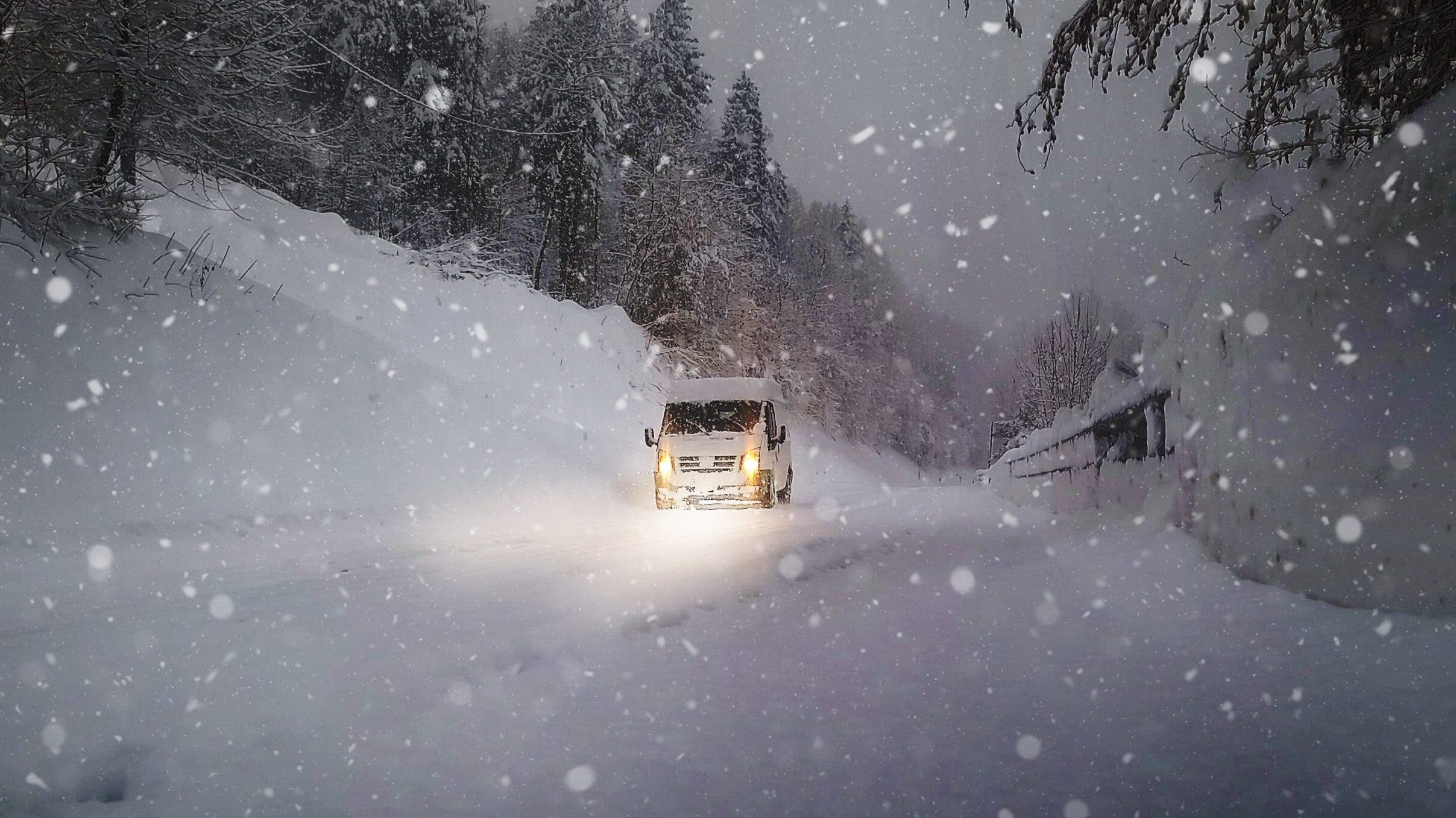
Solid travel advice for snowstorms makes your car storm-ready. Winter tires with the mountain-snowflake mark grip better than all-seasons. They help you steer stop. Chains or textile socks add bite on steep or deep snow.
Check your battery, coolant, belts. Cold cuts battery power. Ask a shop to test it. Fill washer fluid rated to at least -20°F. Replace wiper blades. Keep the fuel tank at least half full to prevent line freeze to run heat if stuck.
Load traction aids tools. A folding shovel, traction boards, or even cat litter can free your wheels. Keep a tow strap, jumper cables, a small toolkit. Place a bright vest headlamp on top for fast reach.

Smart packing checklist for snow travel
A sharp packing list is core travel advice for snowstorms. Pack for 24–48 hours of delay. Keep these items within reach, not buried in the trunk.
- Warm layers, hat, gloves, waterproof boots
- Heavy blanket or sleeping bag
- High-calorie snacks at least two liters of water per person
- Phone chargers, power bank, car adapter
- H warmers chemical heat packs
- First-aid kit needed medicines
- Ice scraper, brush, microfiber towels
- Reflective triangle flashlight with spare batteries
If you fly, put meds, chargers, a spare base layer in your carry-on. Checked bags may lag behind you in a storm.
Safe driving techniques in snow ice
Skillful wheel time is key travel advice for snowstorms. Slow everything down. Start, steer, brake with smooth moves. Leave 8–10 seconds of space to the car ahead. Do not use cruise control on slick roads.
Look far ahead. Keep your eyes where you want to go. If you skid, ease off the gas steer gently into your path. Do not slam the brakes. Let the tires find grip.
Use low gears on descents. Bridge decks shaded curves hide black ice. If you cannot see lane lines in a whiteout, pull off at a safe spot wait. Your clock is not worth your life.

Air travel strategies during snowstorms
Airports run on tight chains of steps. Snow slows each one. Travel advice for snowstorms in the air starts with flight choice. Book nonstop flights early departures when you can. Morning flights face fewer knock-on delays.
Watch for airline waivers. When storms hit, many carriers let you change flights at no fee. Move your trip before the rush. Keep alerts on for gate changes deicing holds.
Carry the must-haves with you. Pack meds, chargers, toiletries, a spare top, snacks in your personal item. Add a tracker tag to your suitcase. If you miss a connection, you can still function.
Lodging, cancellations, flexible bookings
Smart travel advice for snowstorms includes flexible plans. Choose refundable rates or options you can change. Read the fine print on no-shows late arrivals. Many hotels will shift your stay if you call early.
If the highway closes, stop in the nearest town with services. Do not try to “beat the plow.” Ask local staff about power status food options. A safe motel beats a cold car.
For tours tickets, prefer vendors with clear weather policies. Keep receipts screenshots. If you need to file a claim later, paper helps.
Health, comfort, staying warm
Your body is the engine you need to protect. This is personal travel advice for snowstorms I learned on a night stuck near Cheyenne. I ran the car 10 minutes each hour, cracked a window, did light moves to stay warm. It worked.
If you idle, clear the tailpipe first. Snow can block it push fumes inside. Use layers, not one huge coat. Eat, drink water, move fingers toes. Watch for signs of hypothermia frostbite. Numbness slurred speech mean stop seek help.
For kids, older adults, pets, plan extra heat food. Bring a backup power bank for medical devices if needed.
Digital tools, maps, alerts to trust
Reliable data is strong travel advice for snowstorms. Use official weather apps for watches, warnings, radar. Add road apps that show plow locations crashes. Save maps offline. A dead zone can hide a closed pass.
Follow local transport accounts. Airports, highway patrol, city plows post fresh updates. Set push alerts for your route. Avoid rom viral clips. Trust verified feeds.
Keep a paper map in the glove box. Tech fails when you need it most. A paper backup keeps you from guessing at night in the snow.
After the storm: when to hit the road again
Patience pays. Good travel advice for snowstorms says wait for crews to clear treat roads. Sun on a cold day can still leave ice. Give it time to work.
Check recent timestamps on cameras reports. If a pass just reopened, expect chain checks slow lines. Top up fuel, food, water before you leave town. Call your next stop so they hold the room if you arrive late.
Do a short test drive in a lot to feel grip. If you slide at low speed, delay more. Your schedule can bend. Physics will not.
Frequently Asked Questions of travel advice for snowstorms
What is the safest speed to drive in a snowstorm?
Drive below the limit match the grip you have. Leave 8–10 seconds of space avoid cruise control.
Should I use winter tires or chains?
Winter tires are best for all cold months. Use chains when posted or on steep, deep snow for short stretches.
How do I keep warm if I get stuck?
Clear the tailpipe, run the engine 10 minutes per hour, crack a window. Wear layers use blankets h warmers.
What is the best travel advice for snowstorms when flying?
Book morning nonstops, watch for airline waivers, keep essentials in your carry-on. Allow long layovers at hubs that see heavy snow.
How far ahead should I plan during a storm?
Plan two or more backups add hours of buffer. Share your route check in often so someone can act if you go dark.
What should go in a winter car emergency kit?
Pack warm layers, blankets, water, snacks, a shovel, traction aids, a flashlight, chargers, a first-aid kit. Keep it within reach.
When should I cancel my trip?
Cancel if warnings, closures, or visibility make safe travel unlikely. Delay nonessential trips; safety is worth more than a deadline.
Conclusion
Travel advice for snowstorms is simple at heart: respect the weather, prepare your gear, move with care. Small choices, like leaving early, packing layers, checking live road data, can turn a risky trip into a safe one. Use this guide to plan smarter, adapt faster, arrive warm.
Put these steps into your next winter plan today. Subscribe for more field-tested travel guides, or share your own snow lessons in the comments so others can learn too.


