

Advice On Travelling To India [Essential Tips 2026]
Book e-visa early, stay flexible, pack light, modest, breathable layers.
Travel in India rewards the patient, the curious, the well-prepared. In this guide, I share clear, field-tested advice on travelling to india so you can move with ease respect. Expect practical steps, cultural insight, expert tips. If you want advice on travelling to india that feels real reliable, you are in the right place.

Plan Smart: When to Go Where to Start
India is vast. It has many climates cultures. Match your plan to the season region. This advice on travelling to india helps you avoid heat waves heavy rains.
- Best months for most regions: October to March. Days are mild. Skies are clear.
- Summer escapes: Head to Himachal, Uttarakh, or Kashmir from May to July.
- Monsoon logic: Kerala, Goa, the Western Ghats are lush from June to September. Expect rain.
- Festival focus: Holi (spring), Diwali (Oct–Nov), Durga Puja (Sep–Oct). Book early around festivals.
Starter routes I use with first-time visitors:
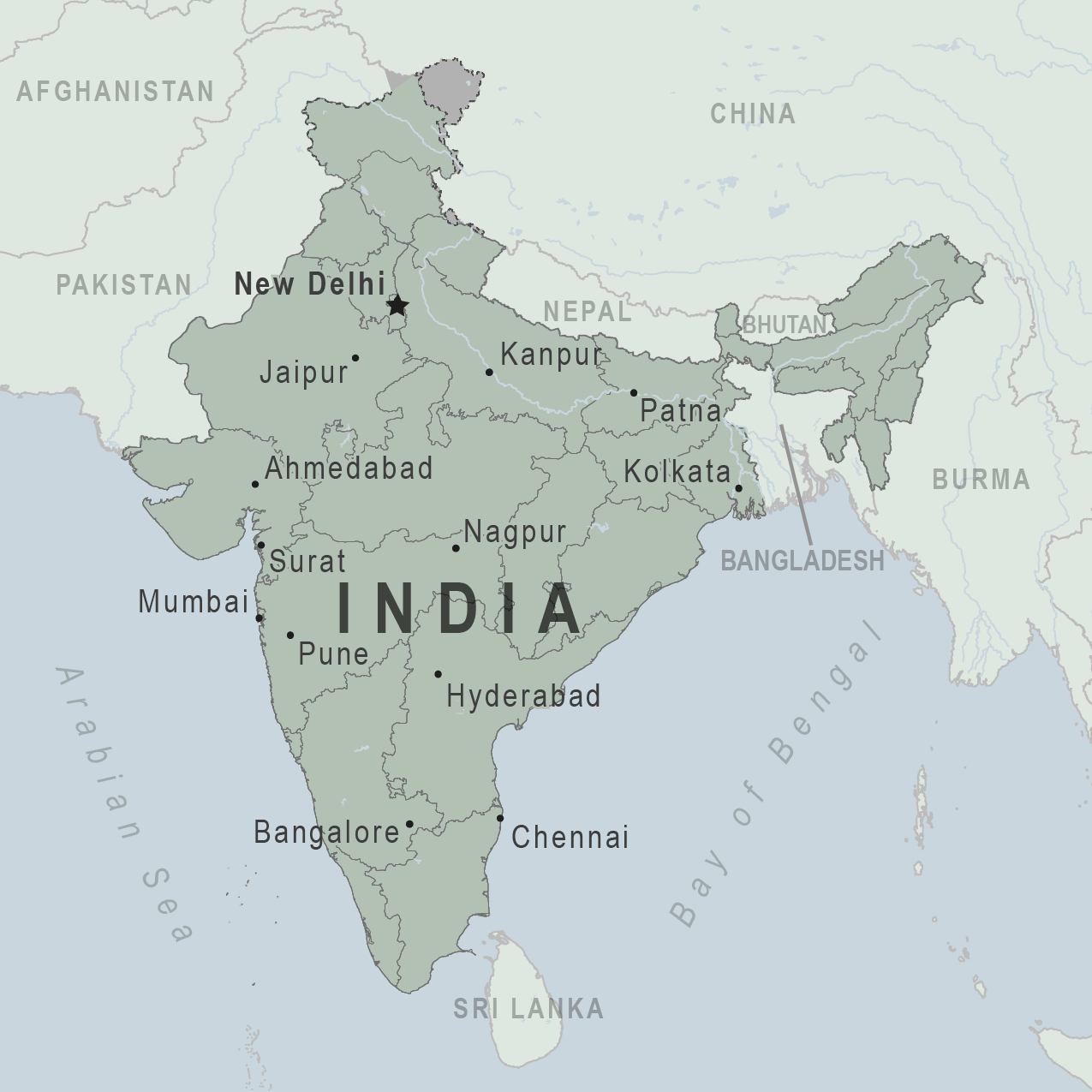
- Golden Triangle: Delhi, Agra, Jaipur. Great for history food.
- South India: Kerala backwaters, Fort Kochi, Munnar tea hills. Slower pace.
- Coastal mix: Mumbai Goa. Culture, design, beaches.
Visas Entry Requirements
Most travelers need a visa before arrival. Use the official e-Visa site only. Rules change, so confirm details close to your trip. This is core advice on travelling to india that saves time stress.
- e-Tourist options often include 30-day, 1-year, 5-year validity. Check current terms.
- Apply at least 7 to 10 days before your flight. Sooner is better in peak season.
- Print your e-Visa carry a copy. Keep digital copies in cloud storage.
- On arrival: You may need onward travel proof a hotel booking.
My tip from many entries: Use the same passport you used for the e-Visa. Small mismatch issues can delay you.

Health, Vaccines, Travel Insurance
Stay healthy you will enjoy more. Follow guidance from travel health clinics. This advice on travelling to india centers on simple habits that work.
- Vaccines to discuss: Hepatitis A, Typhoid, Tetanus-diphtheria-pertussis. Hepatitis B Rabies for long stays or risk.
- Mosquito defense: Use repellent with DEET or picaridin. Wear long sleeves at dusk dawn.
- Air quality: Winter smog can be high in North India. An N95 mask helps a lot.
- Insurance: Buy a plan that covers medical care, evacuation, theft.
I carry oral rehydration salts, loperamide, paracetamol, a small first-aid kit. It has saved days on the road.
Money, Payments, Budgeting
India runs on cash QR codes. Cards work in cities hotels. In small shops, cash rules. Practical money moves are key advice on travelling to india.
- Currency: Indian Rupee (INR). Use ATMs at banks or airports. Decline dynamic currency conversion.
- Cards: Visa Mastercard work in most urban spots. Keep a backup card.
- UPI QR: Very common with locals. Some foreign visitors can use prepaid wallets. Do not rely on it unless you set it up on arrival.
- Daily ranges: Budget from 30 to 60 USD. Mid-range from 60 to 150 USD. Luxury can run higher.
I set a daily cash envelope. It helps in markets for tips.
Getting Around: Trains, Flights, Local Rides
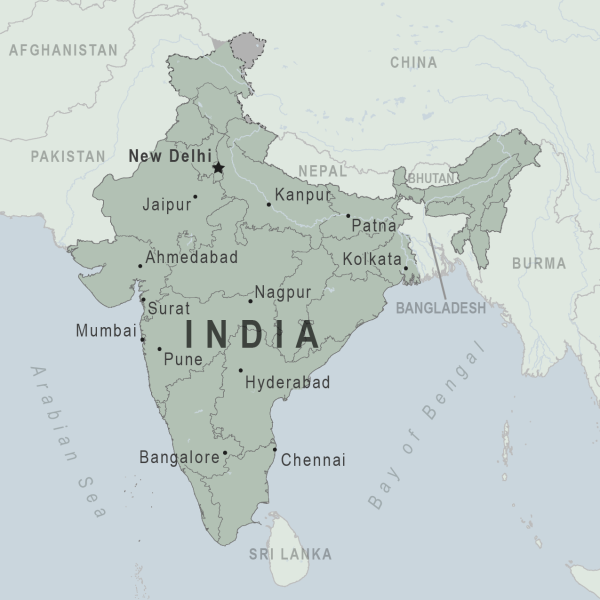
Distance can be large. Travel time can surprise you. A clear plan here is solid advice on travelling to india.
- Trains: Book early on the official platform or through a vetted agent. Look for AC Chair Car or AC 2-Tier on long runs. There is a Foreign Tourist Quota on some routes.
- Flights: Domestic airlines are fast often cheap. Great for long jumps.
- Intercity buses: Use reputable private operators. Pick known boarding points.
- Local rides: Use Uber or Ola in cities. For auto-rickshaws, ask for the meter or agree a price first. At airports, use prepaid government counters.
I track my ride on a map app. I share the trip with a friend if I travel late.

Culture, Etiquette, Respect
Kindness opens doors. Respect wins help. This cultural advice on travelling to india keeps your trip smooth.
- Dress: Modest clothes in temples rural areas. Shoulders knees covered is safe.
- Shoes: Off inside many temples some homes. Use socks if floors are hot.
- Hs: Give take with the right h when possible.
- Photos: Ask before taking close-up shots, especially of people rituals.
- Public affection: Keep it low-key.
I carry a light scarf. It works for sun, dust, temple visits.

Safety Tips Common Scams
India is lively intense. Most trips are safe. A few habits guard you well. Take this advice on travelling to india you will avoid common traps.
- Keep bags zipped in front in crowds.
- Use hotel safes for passports. Carry a copy your e-Visa printout.
- Ignore “the monument is closed today” lines. Check official hours yourself.
- Skip rom “government tourist offices.” Use official sites or hotel desks.
- At ATMs, shield your PIN avoid help from strangers.
I once faced an auto-rickshaw detour to a “friend’s shop.” I smiled, said no, asked to be dropped at a busy lmark instead.

Food, Water, Staying Well
Eat local, but be smart. Your stomach will thank you. Food care is classic advice on travelling to india.
- Water: Drink bottled or filtered water. Check the seal. Avoid ice in small stalls.
- Street food: Choose busy spots with fresh turnover. Watch them cook your order.
- Clean hs: Use soap or sanitizer before meals.
- Stomach care: If sick, rest, hydrate, use ORS. Seek care if symptoms last.
Some of my best meals were at clean, crowded stalls. Short lines can mislead. Busy lines often mean safer, fresher food.

Packing Checklist What to Wear
Pack light. Laundry is easy to find. This packing advice on travelling to india keeps your bag nimble.
Essentials:
- Passport copies, e-Visa printouts, travel insurance details
- Lightweight pants, long skirts, breathable shirts, a scarf
- Comfortable walking shoes sals
- Sunscreen, hat, sunglasses, an N95 mask for cities in winter
- Small first-aid kit meds
- Universal adapter power bank
- Microfiber towel quick-dry clothes
- Earplugs for trains busy streets
For the mountains, add a warm layer, gloves, a rain jacket.
Connectivity, SIM Cards, Useful Apps
A local number makes life easier. Fast data helps with maps, rides, bookings. This digital advice on travelling to india saves time.
- SIM cards: Jio Airtel have wide coverage. You need your passport visa. Airport kiosks are the fastest.
- eSIM: Works in many phones. Check bs policy.
- Apps: Uber or Ola for rides, Google Maps for navigation, credible news weather apps, train apps for schedules.
- Wi-Fi: Hotels cafes offer it, but speeds vary.
I buy a SIM at the airport. Activation often takes minutes. It has saved me on late arrivals.
Responsible Sustainable Travel
Travel with care. Your choices matter. Ethical steps are wise advice on travelling to india.
- Reduce plastic: Carry a refillable bottle. Many hotels offer filtered water.
- Dress act with respect at sites. Follow lines. Do not touch carvings.
- Wildlife: Skip elephant rides staged animal shows. Choose ethical sanctuaries.
- Give smart: Support local crafts, guides, community projects instead of hing cash to children.
I like to hire certified local guides at monuments. It adds depth supports skilled work.
Sample Itineraries You Can Trust
These short outlines work well for first visits. They reflect tested advice on travelling to india.
One week:
- Days 1–2: Delhi sights food walk
- Day 3: Agra, Taj Mahal at sunrise, Agra Fort
- Days 4–6: Jaipur, Amber Fort, City Palace, local markets
- Day 7: Return to Delhi or fly onward
Two weeks:
- Days 1–7: Golden Triangle as above
- Days 8–10: Varanasi for the Ganga aarti old lanes
- Days 11–14: Fly to Kochi, then Kerala backwaters Munnar tea hills
Adjust for season interests, like wildlife parks or the mountains.
Frequently Asked Questions of advice on travelling to india
Do I need a visa to visit India?
Most travelers need a visa. Use the official e-Visa system apply at least a week before travel.
Is India safe for solo women travelers?
Many women travel safely with smart habits. Use trusted rides, dress modestly, share live locations with a friend.
Can I drink tap water in India?
Avoid tap water. Choose bottled or filtered water skip ice in small stalls.
What is the best time to visit India?
October to March suits most routes. For the Himalayas, late spring to summer is ideal.
How do I book trains in India?
Book early on the official platform or through a trusted agent. Choose AC classes for comfort on long routes.
Are credit cards widely accepted?
Cards work in cities hotels. Keep cash for markets, small shops, rural areas.
What should I wear at temples?
Wear modest clothes that cover shoulders knees. Remove shoes follow local signs.
Conclusion
India is vast, layered, full of heart. Plan with care, move with respect, stay flexible. Use this advice on travelling to india to book smarter, eat safer, connect deeper. The reward is a trip rich in color, people, memory.
Ready to build your route? Save this guide, share it with a friend, subscribe for more regional tips city-by-city checklists.


