

State Department Travel Advice [Essential Tips 2026]
State Department travel advice gives country risk levels, safety updates, planning guidance.
If you travel abroad, this guide will help you use state department travel advice like a pro. I have used these advisories for work personal trips for over a decade. I will show you how to read them, what to do with them, how to build a simple plan around them. You will leave with clear steps, smart tools, peace of mind.
What is state department travel advice?
State department travel advice is official guidance for U.S. citizens who travel overseas. It gives each country a risk level, from 1 to 4. It also covers safety issues, local laws, entry rules, health risks. The advice is based on reports from embassies, security data, events on the ground.
This guidance is not a ban. It is a decision aid. It helps you judge risk plan your trip in a smart way. When you use state department travel advice, you see the big picture fast. Then you can decide if the trip fits your risk tolerance.
I learned this on a last‑minute work trip to a Level 3 country. The advisory steered me to safer routes, hotels with better checks, a backup plan. The trip went well because I followed that advice line by line.
How to use state department travel advice before you book
The best time to use state department travel advice is before you pay. Build a quick habit with these steps. It takes less than 20 minutes.
- Search your destination’s advisory. Note the level, the date, key risks.
- Read the Safety Security Local Laws sections in full.
- Check entry, visa, passport validity rules.
- Review health info vaccine notes. Map them to your health needs.
- Scan for regional notes. Risks can vary by province or city.
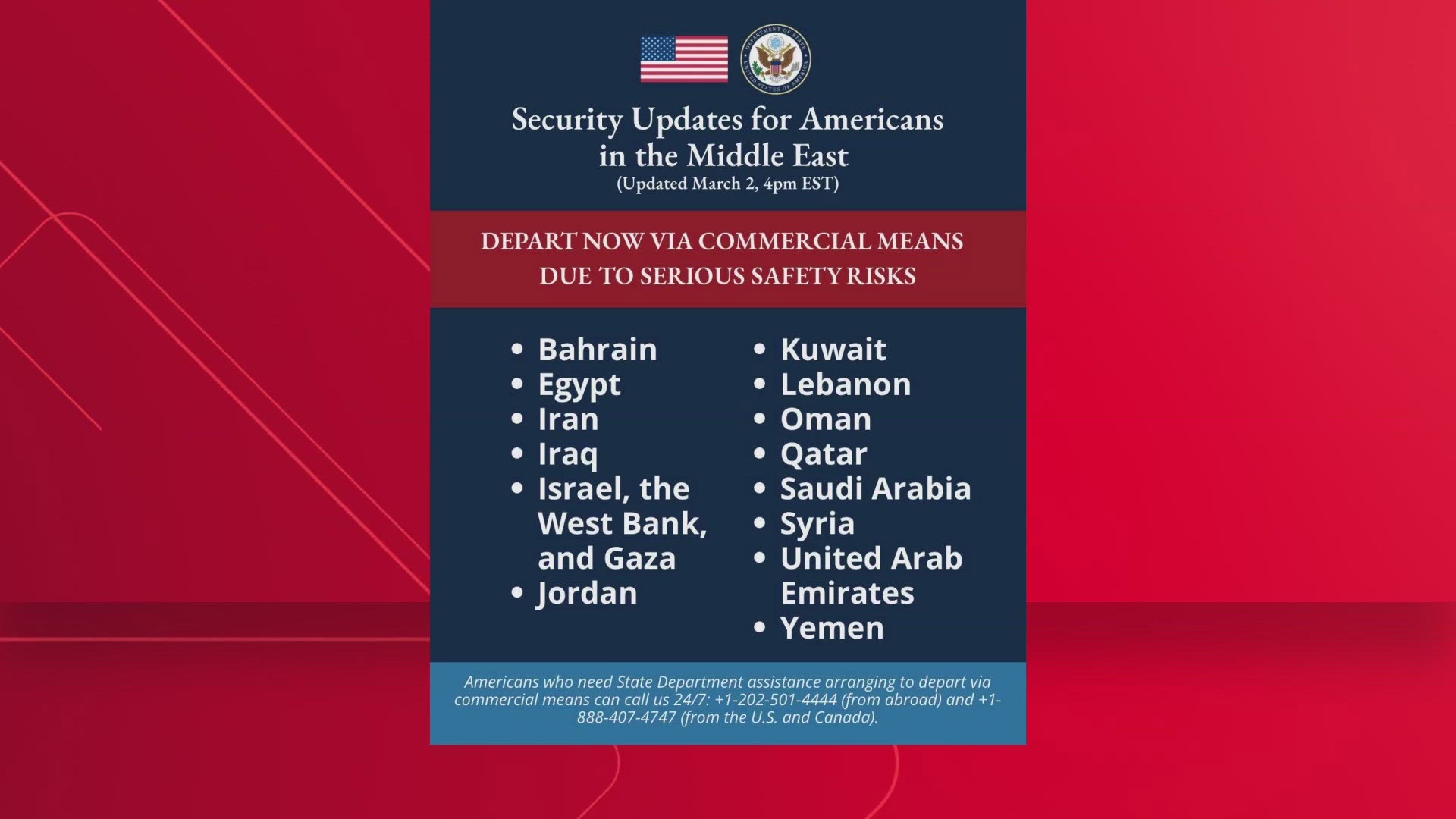
If a place is Level 3 or Level 4, slow down. Compare trip goals with the risks. Ask yourself if the timing is flexible. Look for safer regions in the same country. When in doubt, I get a second opinion from my company security team. You can also call the nearest U.S. embassy for general guidance.

Understing the advisory levels
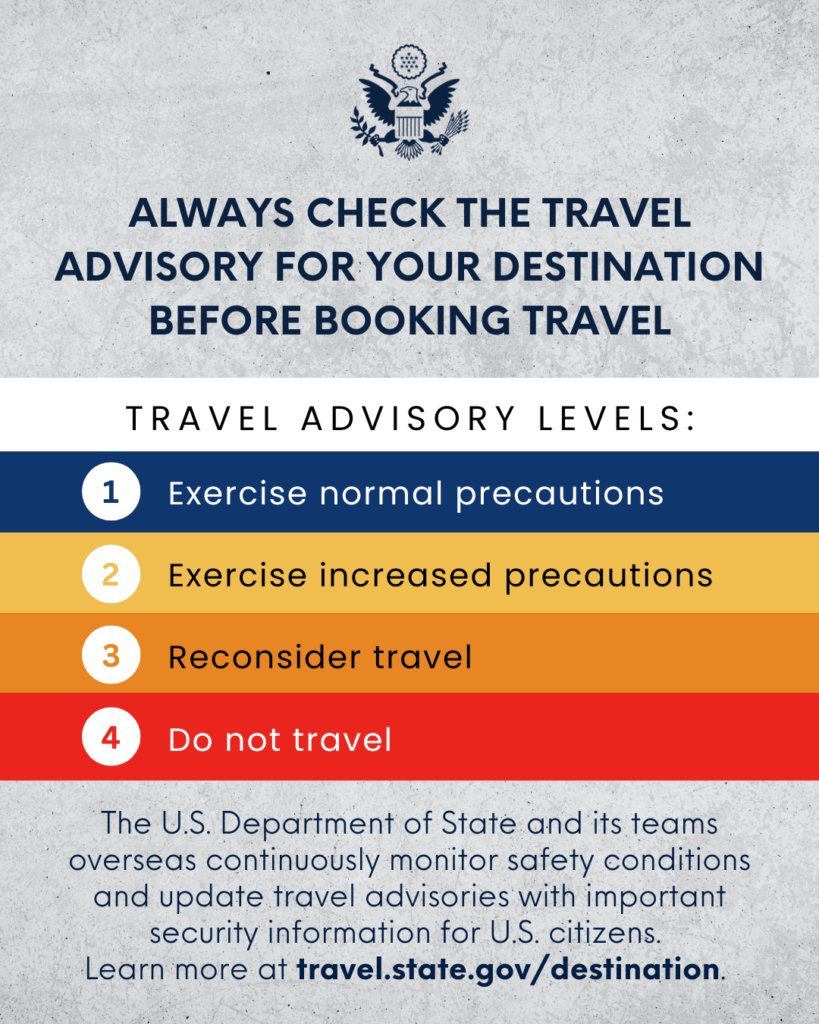
State department travel advice uses four simple levels. Each level has a clear call to action.
- Level 1: Exercise Normal Precautions. Stard travel risks. Follow common sense.
- Level 2: Exercise Increased Caution. Some specific risks. Use extra care in certain areas.
- Level 3: Reconsider Travel. Serious risks. Delay or change plans if you can.
- Level 4: Do Not Travel. Life‑threatening risks. No U.S. help may be possible.
Levels can change fast. Triggers include elections, storms, disease spikes, crime waves, or unrest. I always recheck the advisory 72 hours before departure the day I fly. A last check has saved me more than once.
What the advice covers: safety, health, laws
State department travel advice brings key topics into one place. Read each section with your own trip in mind.
- Safety Security. Crime patterns, protests, terrorism, unsafe zones.
- Health. Outbreaks, required vaccines, links to medical resources.
- Local Laws Special Circumstances. Customs rules, drugs, drones, dress codes.
- Entry, Exit, Visa. Passport validity, blank pages, onward tickets.
- Dual Nationality. Limits on consular help if you hold two passports.
- Road Public Transport. Driving safety, night travel, official taxis.
Tie each note to an action. For example, if crime peaks at night, schedule day trips. If cash theft is high, split funds use hotel safes. If there is a protest risk, avoid government sites large squares.

Tools that amplify state department travel advice
Make the advice work harder for you with simple tools. These do not add much time, but they add a lot of value.
- Enroll in STEP (Smart Traveler Enrollment Program). You get security updates help embassies find you in an emergency.
- Save embassy consulate contacts. Store them offline on your phone on paper.
- Turn on country alerts. Email or SMS can flag changes to your advisory.
- Map official safe routes. Mark hospitals, police stations, your hotel.
On a family trip to Central America, STEP alerts helped us dodge a roadblock. We shifted our route saved hours. That is the power of real‑time updates paired with state department travel advice.

Planning risk management for your trip
Use state department travel advice to build a small risk plan. Keep it simple clear. Share it with your travel partner or a friend at home.
- Itinerary snapshot. Flights, hotels, key times in one page.
- Checkpoints. Daily check‑in by text with a code word for “all good.”
- Emergency tree. Who to call first, second, third.
- Medical plan. Nearest clinics, meds list, insurance card photos.
- Exit options. Two alternate routes to the airport or border.
Buy travel insurance that covers medical care, evacuation, trip changes. Many policies exclude Level 4 or certain events. Read the fine print. Match the policy to the current state department travel advice for your country.
Limitations how to cross‑check information
State department travel advice is strong, but it has limits. It serves U.S. citizens may be broad by design. Conditions change faster than any page can update.
Cross‑check with these steps for a fuller view.
- Compare with other national advisories for trend lines.
- Review local news in the destination language, if you can.
- Check airline notices airport authority posts.
- Match health notes with guidance from global health bodies.
- Ask your hotel about local curfews, closures, or road works.
Treat the advisory as your base layer. Then add recent, local detail. This blend has kept my trips smooth, even in busy seasons.
Practical examples: putting the advice into action
Here are simple, real‑world ways I have used state department travel advice.
- High petty theft zone. I switched to a neck wallet, dummy wallet, card limits. Result: no losses on a week‑long city trip.
- Election week unrest. I moved a trip by three days. I also booked hotels away from civic centers. Result: fewer road checks no protest zones.
- Health advisory on dengue. I added permethrin‑treated clothing a DEET spray. Result: bite count near zero in a tropical stay.
Small tweaks beat big risks. The advisory points to the tweaks. You choose what fits your plan your risk bar.
Staying updated while abroad
Do not set forget. State department travel advice works best when you check it often. Make updates a quick daily habit.
- Read overnight alerts at breakfast.
- Confirm local transport is running before you leave the hotel.
- Keep a flexible plan. Swap days or sites if risk shifts.
- Save a backup eSIM or hotspot to keep data flowing.
If something serious happens, move first, then call. Get to a safe, public place. Contact your travel partner, then the embassy. Have your passport number location ready.
Frequently Asked Questions of state department travel advice
How often does state department travel advice change?
Advisories can change any time due to events on the ground. Recheck before booking, three days before departure, the day you fly.
What is the difference between Level 3 Level 4 advisories?
Level 3 means reconsider travel due to serious risks. Level 4 means do not travel because help may not be possible the risk is extreme.
Does state department travel advice apply to business trips study abroad?
Yes, it applies to any U.S. citizen overseas. Schools companies may add their own rules on top of it.
Can I still go to a Level 3 country?
You can, but you should have strong reasons, a solid plan, proper insurance. Many travelers choose safer regions within the same country.
What is STEP why should I enroll?
STEP is the Smart Traveler Enrollment Program. It gives you security updates helps the embassy reach you in an emergency.
Will travel insurance cover me in Level 4 countries?
Many policies exclude Level 4 destinations or certain events. Read the policy details ask the insurer before you buy.
How do I find the nearest U.S. embassy or consulate?
Use the official embassy locator save the phone address offline. Hotels can also provide directions local tips.
Conclusion
State department travel advice helps you see risk fast, plan well, act with confidence. Use it before you book, build a simple risk plan, stay updated on the move. Add local checks the right tools to turn advice into action.
If you are planning a trip, take 20 minutes today to review the advisory for your destination. Enroll in STEP, save embassy contacts, sort your insurance. Want more tips like this? Subscribe, share your questions in the comments, tell me where you are headed next.


