

FCO Travel Advice [2026 Safety Tips & Country Updates]
UK FCDO travel advice offers timely safety, entry, risk guidance by country.
If you search for fco travel advice, you want clear, trusted help now. I track this guidance daily turn it into simple steps you can use. This guide explains what fco travel advice (now FCDO travel advice) means, how to read it fast, how to act on it with confidence. Read on to plan safe trips, avoid losses, make smart choices before you book.
What is FCO travel advice today?
FCO was the UK Foreign Commonwealth Office. In 2020, it became the Foreign, Commonwealth & Development Office (FCDO). Many people still say fco travel advice, but the official name is FCDO travel advice.
The guidance covers safety, entry rules, health, local laws, consular help. It is written for UK nationals but is useful to anyone. Country pages show risks, alerts, what to do if things change.
Key points you can expect:
- Clear risk levels by area, with maps updates.
- Entry visa rules, including passport limits proof of funds.
- Health advice, like vaccines medical care access.
- Laws customs that could affect daily plans.
The goal is to help you judge risk plan ahead. fco travel advice is not a ban. It is expert guidance that insurers often use when they assess cover.

How to read act on country advice
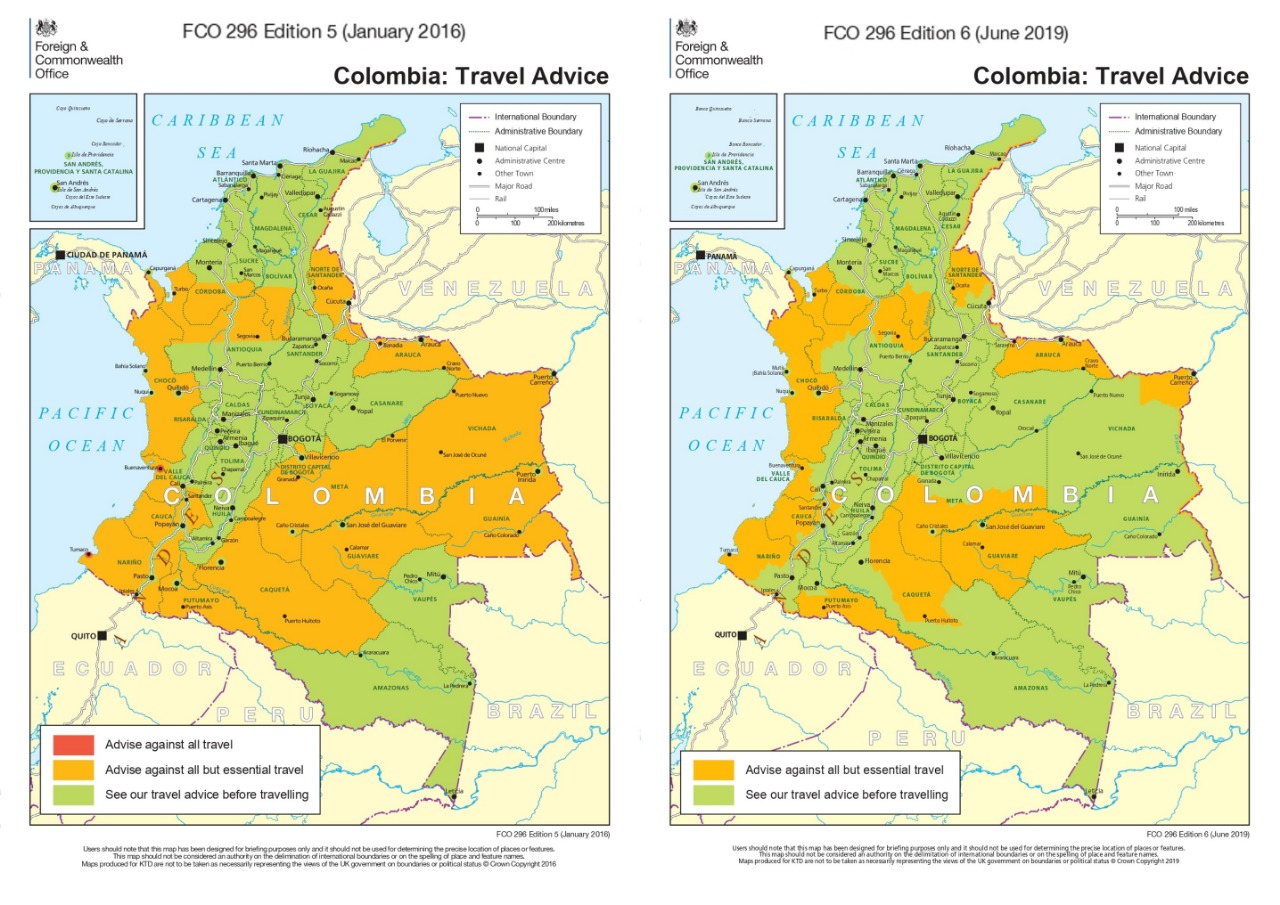
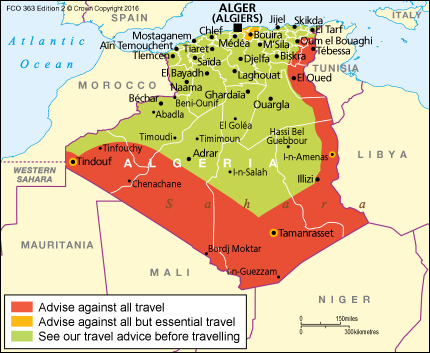
Start with the summary. It flags major risks at a glance. Then scan the map the safety sections. Check if there is advice against travel.
Underst the levels:
- No specific warning: Normal risks still apply. Stay alert.
- Advise against all but essential travel: Go only if you must. Insurers may limit cover.
- Advise against all travel: Do not go. Most cover will not apply.
Action steps as you read:
- Note high-risk regions plan routes that avoid them.
- Check recent incidents the trend of change.
- Save key contacts for local police your embassy.
- Set email alerts for the country page to catch updates.
This takes 10 minutes can save your trip. Use fco travel advice as your base layer, then add detail from airlines local sources.
Entry rules, visas, health checks explained
Entry rules can change fast. Read the entry requirements on the country page. Then double-check with your airline before you fly.
Focus on:
- Passport validity: Many places need six months left on your passport.
- Visa rules: Know if you need a visa before you travel or on arrival.
- Proofs: Return ticket, hotel, funds, or health cover may be checked.
- Health: Vaccines, proof of shots, any local outbreaks.
Bring a printed copy of key pages. Keep digital copies of your passport insurance. fco travel advice will link to official portals for forms visas when needed.
Insurance, liability, travel risk
Many UK travel policies follow FCDO advice. If you go where the advice says do not travel, your cover can be void. That includes medical bills evacuation in many cases.
Protect yourself:
- Buy a policy that states it covers your destination dates.
- Check if it excludes travel against FCDO advice.
- Confirm cover limits for medical, evacuation, trip changes.
- Keep your insurer’s 24-hour line with you.
If fco travel advice changes while you are abroad, call your insurer at once. Ask how the change affects your cover what to do next. Keep receipts notes of all calls.

Step-by-step pre-trip checklist using fco travel advice
Use this fast checklist before you pay a deposit:
- Read the country summary safety map.
- Check the advice level for your exact region.
- Review entry rules, passport validity, visa needs.
- Scan health guidance vaccine advice.
- Confirm insurance cover for the advice level.
- Save local emergency embassy contacts.
- Sign up for email alerts for that country page.
- Plan routes that avoid any high-risk areas.
- Prepare backups: extra funds, meds, copies of documents.
- Share your itinerary with a trusted contact at home.
This simple list aligns your plan with fco travel advice reduces risk.
Practical examples lessons learned
Example 1: A traveler booked a short city break. A week out, protests turned violent in parts of the city. fco travel advice changed to advise against all but essential travel in those districts. They moved hotels to a safer area kept the trip. Result: no claim issues less stress.
Example 2: A family trip ran into new entry rules for proof of funds. The border asked for bank statements. They had digital copies saved from the checklist. They cleared the check in minutes.
What I see most:
- People skim the map miss regional warnings.
- Travelers assume old entry rules still apply.
- Insurance bought on price alone fails when advice changes.
Takeaway: Read the exact region notes. Recheck rules 72 hours before you fly. Pay for cover that fits the risk level shown in fco travel advice.

Special cases: business, families, students, solo travelers
Business travel:
- Build trigger points into your policy. If the advice level rises, you adjust or pause travel.
- Keep a travel risk playbook that mirrors fco travel advice levels.
Families:
- Check health care access in your area carry a child-friendly medical kit.
- Avoid regions with curfews or power cuts that affect daily routines.
Students study abroad:
- Confirm your university’s travel policy duty-of-care rules.
- Save local campus security contacts housing rules.
Solo travelers:
- Share live location with a trusted friend.
- Use hotels with 24-hour reception clear security.
All groups can align plans with fco travel advice to lower risk protect cover.
Limits of fco travel advice how to verify
fco travel advice is broad fast-moving. It may not reflect street-level changes in real time. Local rules can differ by city or province.
Strengthen your view:
- Cross-check with your airline airport notices.
- Read local government embassy pages for your area.
- Watch credible local news in English if available.
- Ask your hotel for current curfews or checks near the property.
Be aware of bias lag. If two sources conflict, act with caution choose the safer path. Keep a risk log update your plans as facts shift.
Frequently Asked Questions of fco travel advice
Is FCO the same as FCDO?
The name changed in 2020. Most people still say fco travel advice, but the official term is FCDO travel advice.
Can I travel if it says “advise against all but essential travel”?
You can, but it is high risk. Many insurers will not cover non-essential trips to those areas.
What counts as essential travel?
It is a personal practical test. Medical needs, urgent family matters, or critical work can qualify, but check your insurer’s terms.
Does fco travel advice apply if I am not a UK citizen?
It is written for UK nationals, yet it helps all travelers. Always check your own country’s advice too.
How often is the advice updated?
It updates as risks change. Sign up for country email alerts to get changes as they happen.
Will my insurance pay if advice changes while I am away?
It depends on your policy. Call your insurer at once follow their guidance to protect your claim.
Where do I find entry rules visas?
Use the entry section on the country page. Confirm details with your airline the official visa portal.
Conclusion
fco travel advice helps you see risk fast, plan smart, protect your trip. Read the summary, check the map, confirm entry rules, match your insurance to the advice level. Small steps done early prevent big losses later.
Take action today. Pick your next country page, set email alerts, run the checklist. If you found this useful, subscribe for more travel safety guides or leave a question in the comments.


