

Canada Winter Travel Advice Essential Tips For 2026
Dress in layers, plan buffers, respect icy roads for safe Canada travel.
If you want canada winter travel advice that works in real life, you are in the right place. I have crossed snowy passes, chased auroras, warmed up in tiny lodges. I will show you how to plan, pack, travel with skill. Keep reading for expert canada winter travel advice you can trust.

Underst Canada’s Winter: Weather, Daylight, Regions
Canada is vast. Winter feels different in each region. Coastal areas are milder wet. The Prairies are cold dry. The North is deep cold with wide skies. Good canada winter travel advice starts with this map in your head.
Expect short days in December longer days by March. In many places, sun sets before 5 p.m. Plan outdoor time with light in mind. Check local forecasts daily. Mountain weather can shift in minutes. Wind can drop the air temp fast.
Here is a simple guide I use:
- West Coast: cool, rain, wet snow; great for mild hikes.
- Rockies: deep snow, bright days; cold nights; top ski time.
- Prairies: very cold, clear skies; watch wind chill.
- Central Canada: freeze-thaw; ice on walks; big city lights.
- Atlantic: mix of storms clear snaps; ice on roads.
- North: extreme cold; best aurora; plan short outdoor bursts.
I learned to add a flex day after a whiteout stalled me near Rogers Pass. Build buffer time. It is the best canada winter travel advice you can follow.

Plan a Smart Winter Itinerary
Pick a theme. City lights, ski lines, or wild ice. Then match it to the right place time. This keeps your plan tight fun. It also keeps you safe.
Practical steps:
- Group sights by area to cut long drives.
- Keep day drives to four hours or less.
- Add a buffer day for storms or delays.
- Book key tickets early: ski passes, guided tours, ice walks.
- Check road reports each morning before you leave.
Classic winter picks:
- Quebec City for Winter Carnival old streets.
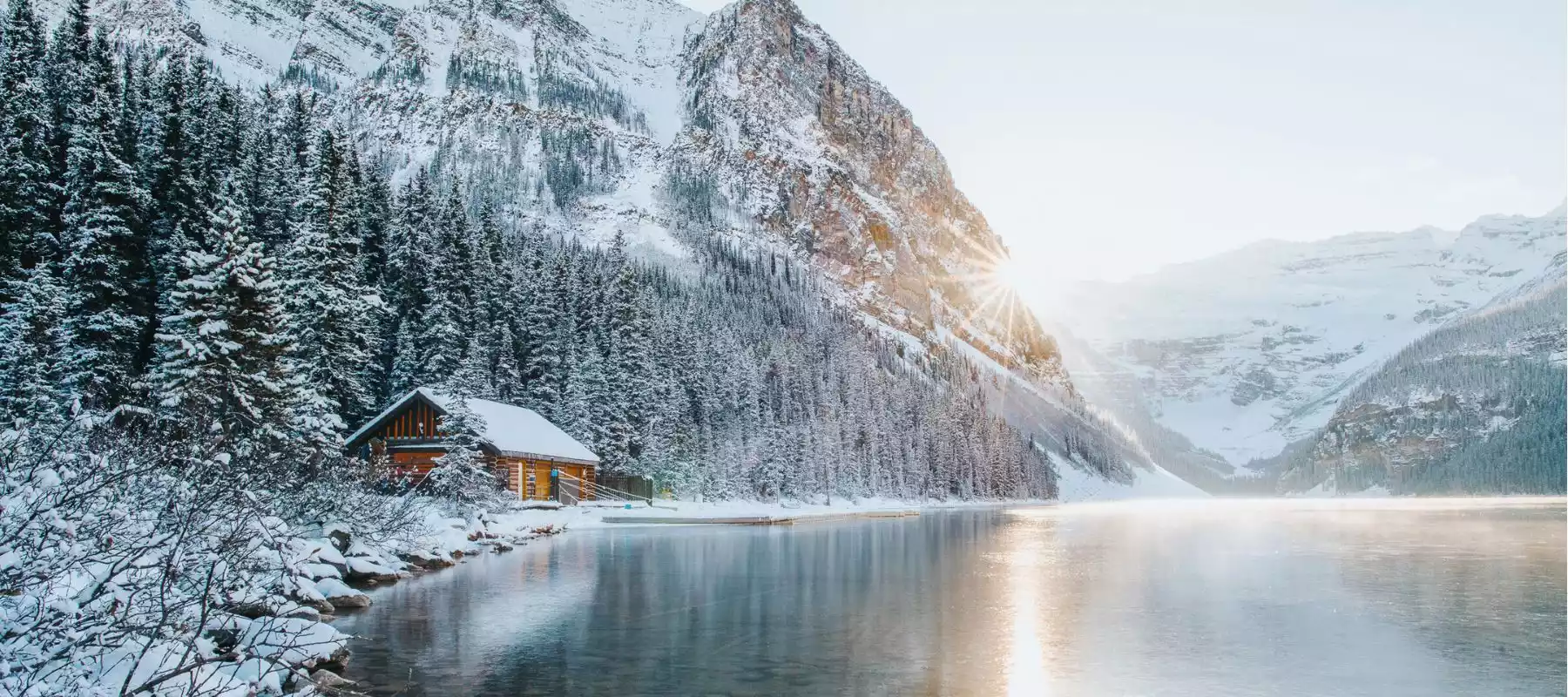
- Banff Lake Louise for skiing wild ice.
- Whitehorse or Yellowknife for aurora nights.
- Whistler for ski great food.
This is core canada winter travel advice: match your wish list to the season the ground truth.
What to Pack: Layering That Works
Pack light yet warm. Think in layers. This is simple, safe, smart. It is proven canada winter travel advice you can trust.
Layering 101:
- Base layer: wool or synthetic. It keeps sweat off your skin.
- Mid layer: fleece or light puffy. It traps heat.
- Shell: wind water proof. It blocks ice rain.
- Parka: for long stops or very cold snaps.
Essentials:
- Warm hat, neck gaiter, glove liners.
- Insulated gloves or mitts. Mitts are warmer.
- Wool socks, two pairs per day if hiking.
- Winter boots with tread. Rated to at least −20°F if possible.
- H toe warmers for backup.
- Sunglasses sunscreen. Snow glare is real.
- Small thermos for hot tea or soup.
Pro tip from my pack: I keep microspikes for city ice. They slip on shoes fast. They keep me upright on slick walks.

Safety Health on the Road
Cold can be kind or cruel. Respect it. Good canada winter travel advice puts safety first.
Know the signs:
- Frostbite: numb, pale skin, hard feel.
- Hypothermia: shivers, slow speech, clumsy steps.
Move to warmth at once. Add dry layers. Sip warm drinks. Seek care if signs get worse.
Road trail safety:
- Carry a small kit: shovel, blanket, headlamp, power bank, snacks.
- Keep gas above half. In storms, stations can close.
- Save maps offline. Cell service can fade in valleys.
- Check avalanche reports in mountain zones. Go with a guide if new to snow.
Insurance matters. Get medical trip delay cover. It is not fun, but it saves the day when you need it. This is sober, vital canada winter travel advice.

Getting Around: Drive, Fly, or Rail
You can drive, fly, or take the train. Mix match to save time stress. This is smart canada winter travel advice for long distances.
Driving tips:
- Book a car with winter tires where allowed. Ask the rental desk. In some provinces, they are the norm in winter.
- Drive slow smooth. Leave long gaps. Use gentle brake steer moves.
- Keep a snow brush scraper in the car. Clear the roof lights.
Other options:
- Regional flights cut long, risky drives.
- Trains offer calm views no road stress.
- City transit is good in big hubs. Cabs rideshares fill gaps.
Check road reports each day. The 511 lines local apps are useful. If roads close, stay put stay warm.

Budget Booking Strategies
Winter can save money, but not always. Big ski weeks cost more. City trips can be a deal. Plan with care use this canada winter travel advice to stretch your budget.
Ways to save:
- Travel midweek. Hotels lift tickets often cost less.
- Book early for peak dates holidays.
- Pick a place with free breakfast parking.
- Use city passes for museums transit.
- Bring your own layers. Renting gear adds up.
Money basics:
- Credit cards are widely used. Tap to pay works almost everywhere.
- Expect tax on top of posted prices.
- Tip 15 to 20 percent in restaurants for good service.

Must-Do Winter Experiences by Region
Canada shines in winter. Pick a few high points go deep. The right canada winter travel advice helps you choose well.
Great picks:
- Quebec City: Winter Carnival, ice hotel tours, old town lights.
- Banff Lake Louise: skate on wild ice, ski powder, soak in hot pools.
- Whistler: world-class ski snow food scene.
- Yukon or Northwest Territories: chase the aurora on clear, cold nights.
- Niagara: frozen falls views light shows.
I like to plan one hard outdoor day, then one easy city day. It keeps the trip fresh fun.
Travel Kindly Sustainably
Travel with care. Leave places as you found them. This is grace in action wise canada winter travel advice.
Simple steps:
- Stay on marked paths. Packed trails protect plants under snow.
- Pack out all trash. Even fruit peels.
- Choose local guides makers. Your money stays in the community.
- Learn a few words from local languages respect local rules.
- Watch wildlife from a safe distance. Do not feed animals.
I have had my best days with small local guides. Their stories add real depth to the l the season.

A Simple 7-Day Winter Plan
Use this as a base tweak to fit your goals. It follows safe smart canada winter travel advice for first-time visitors.
- Day 1: Arrive in Calgary. Short city walk. Early rest.
- Day 2: Drive to Banff. Hot springs. Book a table in town.
- Day 3: Lake Louise skate snowshoe. Back to Banff.
- Day 4: Ski day or Johnston Canyon ice walk with a guide.
- Day 5: Drive to Canmore. Easy hike. Local bakery.
- Day 6: Flex day for storm or spa.
- Day 7: Return fly out.
Swap in Jasper or Kananaskis if you want a quieter trip.
Mistakes to Avoid Pro Tips
I learned many lessons the hard way. You do not have to.
Avoid these:
- Wearing cotton. It stays wet cold.
- Overpacking big coats skipping layers.
- Booking tight drives after sunset.
- Chasing plans in a storm. Wait it out.
Try these:
- Set a daily go/no-go time based on road light.
- Keep a dry base layer in a zip bag. Change when you stop.
- Take breaks to warm up snack every 90 minutes.
- Ask locals for road tips. They know the day’s quirks.
This is tested, real-world canada winter travel advice from years on winter roads trails.
Frequently Asked Questions of canada winter travel advice
What month is best for winter activities?
January to early March offers steady snow longer daylight. Late February is a sweet spot for cold, clear days less holiday rush.
Do I need winter tires for rental cars?
In many regions, yes, they help a lot on ice snow. Ask the rental desk for winter tires or chains if allowed by law.
How cold does it actually feel with wind chill?
Wind pulls heat from skin fast, so it feels colder than the air temp. Check daily wind chill; it guides how long to stay outside.
Is driving at night safe in winter?
It is possible but riskier due to black ice wildlife. If you must, slow down, use high beams when safe, keep routes short.
What is the safest way to see the aurora?
Join a guided tour with heated shelters local experts. They track forecasts choose safe spots away from bad roads.
Can I drink tap water in winter lodges?
Yes, tap water is safe in most places, even small towns. Carry an insulated bottle to keep water from freezing on the go.
Are snow pants necessary in cities?
For long outdoor time, yes. For short city walks, warm jeans with thermal layers can be enough, plus a long coat.
Conclusion
Winter in Canada rewards smart plans calm choices. Know the weather, pack layers, give yourself time. Use this canada winter travel advice to move with care joy. Pick one or two regions, book what matters, keep a buffer day for storms. Then step outside, breathe the crisp air, make warm memories in the snow.
Ready to plan your trip? Save this guide, share it with a friend, subscribe for more field-tested tips.


